
Mastering Long Distance Carpool in UAE
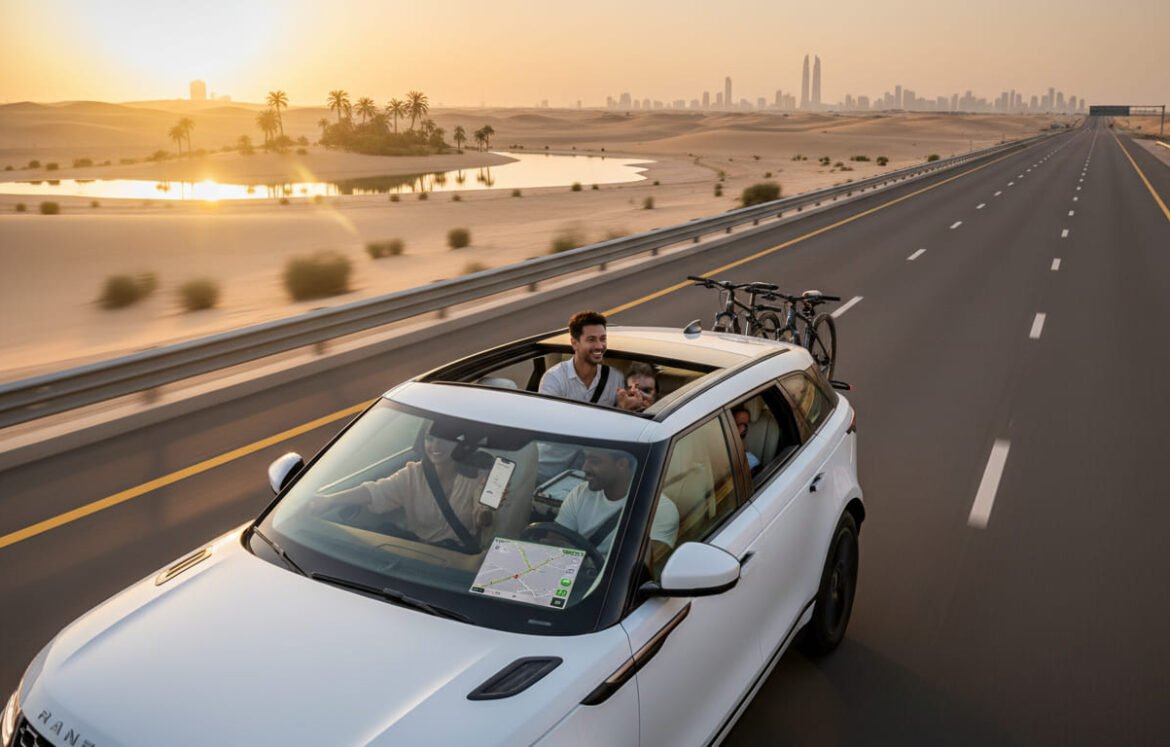
Executive Summary: Commuter Economics
I spent my early professional years navigating the relentless asphalt corridor between a cramped apartment in Al Qasimia and a corporate tower on Al Maryah Island. That grueling, multi-hour daily transit taught me harsh lessons about vehicular degradation, chronic mental fatigue, and financial hemorrhage. Surviving the intercity commute requires more than just a reliable engine and a high tolerance for traffic. It demands strategic logistics. Eventually, I engineered a highly structured shared transit arrangement. Operating a meticulously planned long distance carpool in UAE is an intricate logistical exercise requiring far more than simply finding a willing passenger. You are essentially managing a micro-transit operation.
| Transit Route | Avg Solo Monthly Cost (AED) | Avg Carpool Monthly Cost (AED) | Annual Savings (AED) | Est. Annual CO2 Saved (kg) |
|---|---|---|---|---|
| Dubai to Abu Dhabi (E11) | 3,800 | 1,200 | 31,200 | 4,100 |
| Sharjah to Dubai (E311) | 1,900 | 600 | 15,600 | 2,050 |
| Ajman to Abu Dhabi (E611) | 4,500 | 1,400 | 37,200 | 5,200 |
The Financial Mechanics of a Long Distance Carpool in UAE
Let us dissect the fiscal realities of solo driving across the Emirates. Most commuters critically underestimate their actual cost per kilometer. They calculate fuel consumption at the pump and assume the mathematics end there. They are unequivocally wrong. When computing the aggregate depreciation curve of a standard combustion-engine sedan over an annual transit cycle of forty thousand kilometers, the hidden costs eclipse initial fuel projections entirely. You must factor in accelerated tire wear, frequent synthetic oil replacements, brake pad degradation, and the inevitable surge in insurance premiums tied to high-mileage brackets.
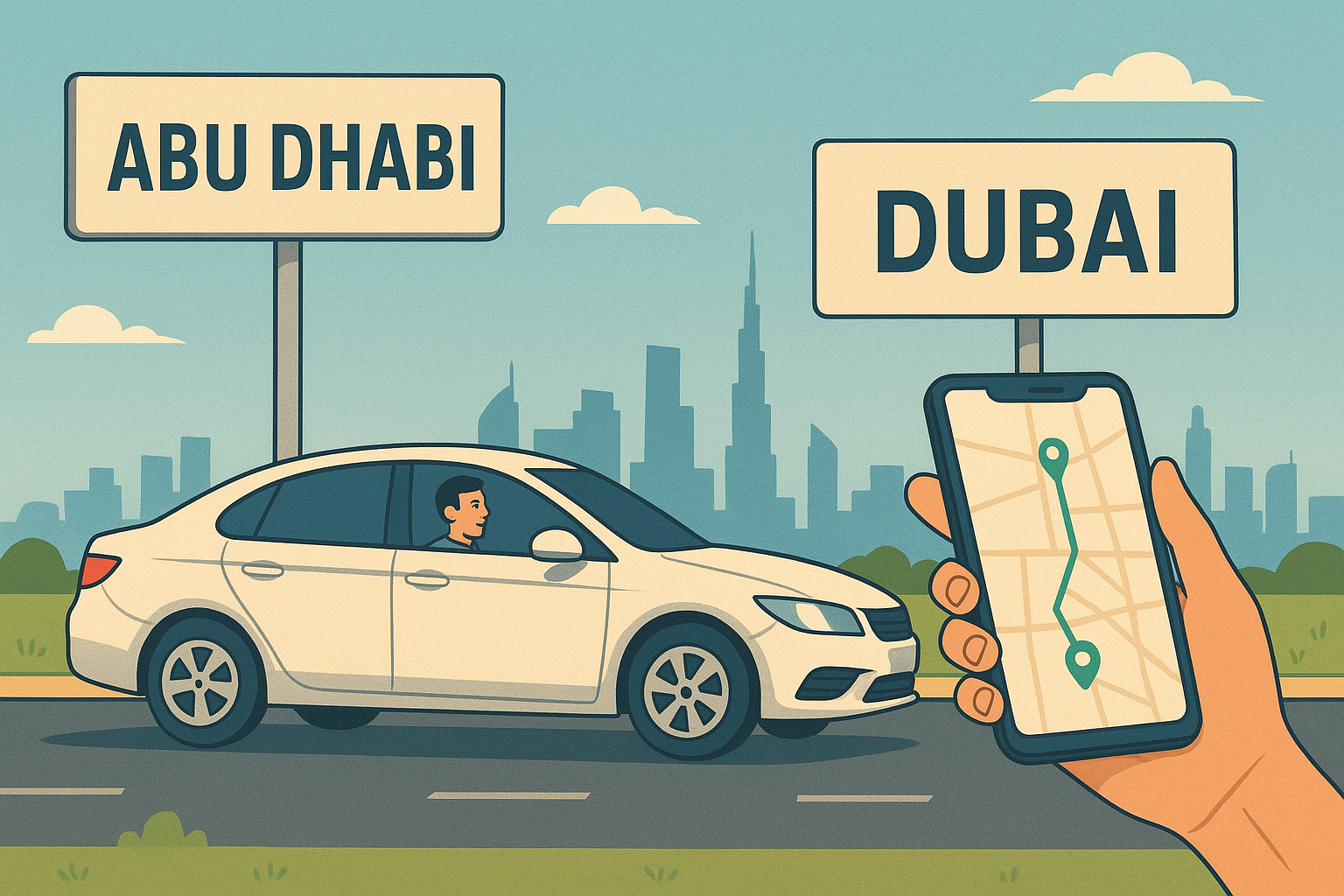
Consider a standard commute from Dubai Marina to the Abu Dhabi Corniche. At current local fuel rates, a mid-size SUV consumes roughly AED 60 to 80 daily in petrol alone. Add Salik toll gate fees if your origin requires crossing Al Safa or Al Barsha gates. Add routine maintenance amortization. The monthly expenditure easily breaches the AED 3,500 threshold. By establishing a formalized arrangement or integrating services from dedicated platforms specializing in a long distance carpool in UAE way, participants fundamentally restructure this economic burden. Splitting costs across three or four individuals transforms a massive financial liability into a manageable, fractional expense. The surplus capital retained at the end of the fiscal year often equates to a substantial international holiday or a robust contribution to an investment portfolio.
Navigating RTA Regulations for Inter-Emirate Ridesharing
Legality dictates methodology. The legislative framework surrounding passenger transport in this region is rigorously enforced. The Roads and Transport Authority (RTA) maintains strict jurisdiction over vehicular movement to ensure public safety and protect licensed commercial operators. Ignorance of these statutes offers no protection against severe punitive measures.
There is a distinct, legally defined boundary between sharing fuel expenses with colleagues and operating an unlicensed commercial transport service. The authorities levy massive fines—often exceeding AED 3,000—coupled with vehicle impoundment for individuals caught running illicit taxi operations. To remain compliant, a long distance carpool in UAE must strictly operate on a cost-recovery basis. Generating a profit from passengers violates federal transport laws. Historically, initiatives like the Sharekni platform were introduced to formalize and monitor these exact types of non-commercial commuting networks. When vetting potential passengers or drivers, maintaining transparent records of exact fuel and toll divisions provides a critical layer of operational legitimacy.
Route Optimization for Your Long Distance Carpool in UAE
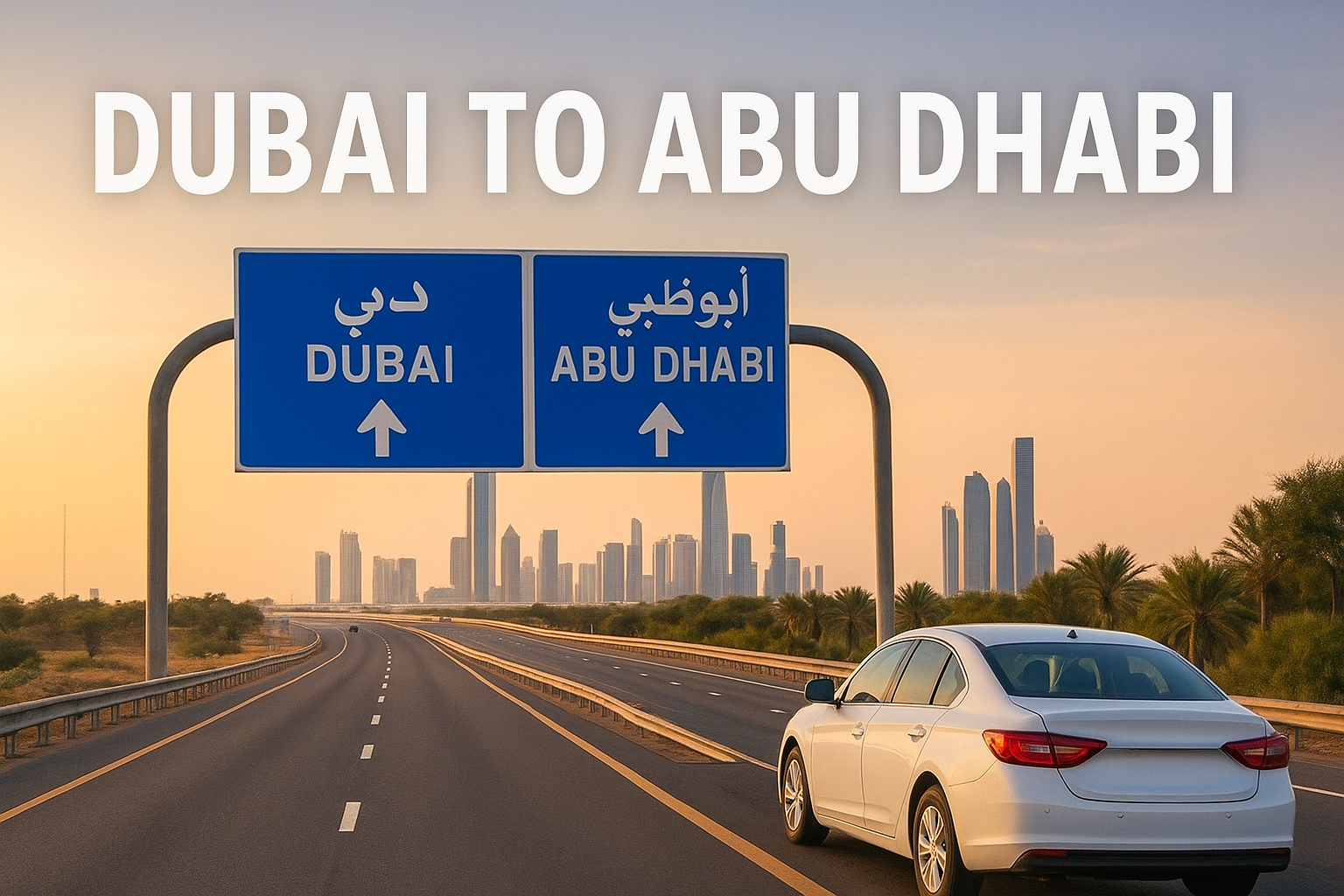
Asphalt selection dictates your morning sanity. The topography of the UAE transit network offers three primary longitudinal arteries: Sheikh Zayed Road (E11), Sheikh Mohammed Bin Zayed Road (E311), and Emirates Road (E611). Each corridor presents distinct advantages and severe liabilities depending on the precise hour of departure.
Last November, I spent three weeks analyzing the E11 transit corridor during peak morning hours. What became immediately apparent was the severe bottleneck effect near the Ghantoot border crossing between 6:45 AM and 7:30 AM. A carpool departing just twenty minutes earlier routinely bypasses this congestion, reclaiming nearly four hours of collective passenger time weekly. Alternatively, for those originating deep within Dubai Silicon Oasis or Arabian Ranches, bypassing the coastal E11 entirely in favor of the heavier-truck-laden but often faster-flowing E611 drastically stabilizes arrival times. Route optimization is not static. It requires daily recalibration based on real-time municipal traffic data, accident reports, and sudden meteorological shifts like seasonal morning fog which notoriously cripples visibility on the Abu Dhabi outbound stretches.
The Psychological Toll of Solo Driving vs. Shared Commutes
We rarely quantify cognitive depletion. Operating heavy machinery at 140 km/h surrounded by erratic lane-changers triggers sustained cortisol release. The solitary commuter arrives at the workplace already bearing a psychological deficit. This chronic low-grade stress severely compromises early-morning productivity and cognitive focus.
A well-curated shared commute mitigates this isolation. The driver still bears the primary kinetic responsibility, but the rotating nature of a structured carpool means individuals enjoy dedicated downtime multiple days a week. During my time organizing intercity transits, the back seat of our GMC Yukon transformed into a mobile office. Passengers utilized the ninety-minute transit to clear email backlogs, review quarterly reports, or simply decompress through audiobooks. The social contract of a shared vehicle enforces a psychological buffer, separating the domestic environment from the corporate battlefield.
Selecting the Optimal Vehicle for a Long Distance Carpool in UAE
Chassis dynamics matter profoundly when ferrying multiple adults across desert highways. The instinct to utilize compact, hyper-efficient hybrid vehicles often backfires when subjected to the spatial realities of four adults, briefcases, and the absolute necessity of heavy-duty air conditioning during the brutal July climate.
A successful long distance carpool in UAE demands specific vehicular attributes. Superior acoustic insulation is paramount to prevent highway wind noise from drowning out conversation or interfering with mobile work. Multi-zone climate control ceases to be a luxury and becomes a baseline requirement to prevent territorial disputes over cabin temperature. While hybrid sedans offer excellent fuel economy, mid-size crossovers or premium sedans with extended wheelbases provide the necessary legroom and suspension travel to absorb the rhythmic expansion joints characteristic of older sections of the E311. If you are purchasing a vehicle specifically to anchor a multi-year shared commute, prioritize high-capacity alternators and robust cooling systems over aesthetic upgrades.
Cost Allocation Models for Intercity Travel
Financial friction destroys more commuter alliances than bad driving. Ambiguity regarding payment schedules or variable expenses guarantees resentment. Therefore, establishing a rigid, mathematically sound cost allocation model prior to the first journey is absolutely imperative.
I advocate for the ‘Per-Kilometer Depreciation Strategy’. Instead of merely dividing weekly petrol receipts—which ignores the driver’s vehicle wear—calculate a flat monthly rate based on a comprehensive per-kilometer cost. Factor in exact fuel consumption rates for the specific vehicle, daily Salik tolls, and a fractional percentage for monthly maintenance. Divide this total strictly by the number of passengers, exempting the driver who provides the physical asset. Treat this arrangement with absolute corporate rigidity. Require payments on the first of the month. Casual, ad-hoc payment requests inevitably lead to awkwardness and delayed compensation. If a passenger takes a sick day, the monthly rate remains unaffected; the seat was reserved, and the transit occurred regardless.
Corporate ESG and the UAE Commuter
The corporate perspective on employee mobility has shifted dramatically. Companies entrenched within the Dubai International Financial Centre (DIFC) and Abu Dhabi Global Market (ADGM) face increasing scrutiny regarding their Environmental, Social, and Governance (ESG) metrics. Scope 3 emissions—which encompass the carbon footprint of employee commutes—are now actively monitored by forward-thinking human resources departments.
By actively promoting shared mobility, corporations align themselves with national sustainability targets detailed by the UAE Ministry of Climate Change and Environment. Progressive firms now offer premium, reserved parking spaces explicitly for high-occupancy vehicles. Some organizations have even initiated internal matching programs, cross-referencing employee zip codes to facilitate introductions for potential commuting alliances. This top-down encouragement validates the logistical effort required by employees to organize their transport, translating abstract environmental goals into tangible daily practices.
Security Protocols in Long Distance Ridesharing in the UAE
Opening your vehicle doors to strangers requires stringent personal security measures. Even within a nation possessing remarkably low crime rates, establishing a verified trust baseline is crucial when coordinating transits via digital forums or community boards.
Before accepting a new individual into an established long distance carpool in UAE, implement an informal but rigorous vetting process. Verify corporate employment via official email addresses or LinkedIn profiles. Conduct a brief preliminary meeting at a neutral, public location—such as an ENOC station coffee shop—to assess general demeanor and compatibility. Always maintain a shared digital itinerary accessible to family members, detailing standard departure times, typical routes, and the contact information of all vehicle occupants. Recent reporting from regional outlets like the Khaleej Times frequently highlights the importance of situational awareness and verifiable digital footprints when utilizing peer-to-peer services. Never compromise personal safety for the sake of lowering your weekly transit costs.
Etiquette Directives for High-Frequency Carpools
Confinement breeds contempt without strict behavioral guidelines. Four adults trapped inside three cubic meters of steel for fifteen hours a week require a rigid code of conduct. The unspoken rules of intercity transit are often learned through painful, silent friction.
First: Olfactory neutrality is mandatory. Heavy colognes, perfumes, or aggressive aftershaves become overwhelming in a sealed, air-conditioned environment. Second: Culinary restrictions must be enforced. Consuming heavily spiced foods, pungent morning snacks, or flaking pastries destroys the vehicle’s interior hygiene and angers the owner. Coffee in secured, leak-proof tumblers is the only acceptable early morning consumable. Third: The audio hierarchy must be established immediately. The driver controls the baseline volume and content, but utilizing noise-canceling headphones is standard practice for passengers who wish to disengage. Lastly, punctuality is non-negotiable. A five-minute delay by one individual cascades into a thirty-minute delay upon reaching the city limits due to compounding traffic patterns. A strict ‘three-minute wait’ rule must be enforced mercilessly.
Evaluating the Future of the Long Distance Carpool in UAE
The structural paradigm of mobility across this region is currently undergoing a massive architectural shift. The impending operational rollout of passenger services via Etihad Rail will inevitably cannibalize a segment of the daily commuter market, offering high-speed, frictionless transit between major urban hubs. However, the first-mile and last-mile challenges will persist, ensuring that localized automotive transport remains deeply relevant.
Furthermore, the integration of autonomous driving technologies and advanced AI-driven matching algorithms will soon eliminate the manual friction of organizing a long distance carpool in UAE. We are approaching a reality where localized digital platforms will dynamically match verified commuters in real-time based on exact GPS coordinates, routing autonomous pods to collect and distribute passengers with unprecedented efficiency. Until that technological infrastructure fully matures, mastering the human elements of route planning, financial allocation, and interpersonal etiquette remains the sole method for conquering the inter-emirate highway system.