
Economic Analysis: Cheapest Car Lift Dubai to Abu Dhabi Monthly

Navigating Intercity Economics: A Tactical Approach to Commuting
I recall a sweltering July morning back in 2018, staring at an endless ocean of red taillights bleeding across the E11 highway. I had recently accepted a lucrative corporate consultancy contract in the capital while maintaining my primary residence near Dubai Marina. Initially, the 140-kilometer journey felt like an ideal window for consuming audiobooks—a solitary, moving sanctuary. Three weeks later, that romanticized notion collapsed. It morphed into a skeletal-straining, wallet-draining ordeal. Calculating the true financial hemorrhage of my daily migration, factoring in Super 98 fuel volatility, relentless Salik deductions, and the invisible but massive tax of vehicle depreciation, forced a radical operational pivot. That specific hardship triggered my obsession with optimizing intercity transit logistics and finding sustainable alternatives.
The Intercity Reality: Seeking the Cheapest Car Lift Dubai to Abu Dhabi Monthly
When you dissect the actual mathematics of crossing emirate borders twice a day, 22 days a month, the figures are sobering. The sheer wear-and-tear coefficient applied to a personal vehicle executing roughly 6,000 kilometers a month accelerates maintenance schedules exponentially. Oil changes shift from quarterly annoyances to monthly mandates. Brake pads disintegrate. Tire tread depth vanishes before the warranty even registers. Recognizing this rapid asset degradation pushes seasoned expatriates and locals alike toward alternative solutions, sparking a massive secondary market for reliable transport. Finding the cheapest car lift dubai to abu dhabi monthly ceases to be a mere search query; it becomes a fundamental requirement for preserving your disposable income and your sanity.
Executive Summary Table: Transit Modalities
| Commute Modality | Estimated Monthly Cost (AED) | Cognitive Stress Level | Schedule Flexibility |
|---|---|---|---|
| Private Vehicle (Financed) | 4,500 – 6,000+ | Severe | Absolute |
| Intercity Public Bus | 1,000 – 1,200 | Moderate | Rigid |
| Premium Chauffeur Service | 8,000 – 12,000 | Minimal | Absolute |
| Monthly Carpool / Lift | 1,500 – 2,500 | Low | Negotiable |
Looking closely at the data matrix above, the asymmetry is glaring. Operating a private sedan extracts a heavy financial toll that often negates the salary bump achieved by taking an out-of-emirate position. The monthly carpool emerges as the statistically superior middle ground, offering a drastically reduced overhead without subjecting the commuter to the rigid, stop-heavy timetables of public transit buses.
Deconstructing the E11 Economy and Vehicle Amortization
Many professionals mistakenly calculate their commuting expenses solely by looking at the fuel pump receipt. This is a critical accounting error. If you purchase a mid-tier SUV for 120,000 AED, the standard depreciation curve dictates a 20% loss in asset value during the first year of standard driving. However, subjecting that asset to 70,000 intercity kilometers annually shifts the depreciation curve into a vertical drop. By year two, the vehicle retains barely half its initial value. Furthermore, the E11 route operates under a dynamic traffic flow that punishes mechanical systems. The constant acceleration and harsh braking through the Ghantoot border stretch severely impacts fuel efficiency. This unrecorded financial bleed perfectly explains why corporate auditors routinely advise their staff to outsource the drive entirely.
Why the Cheapest Monthly Car Lift from Dubai to Abu Dhabi Wins
The economic principle of resource pooling applies flawlessly to the UAE intercity corridor. By distributing the fixed costs of fuel, toll gates, and vehicle maintenance across four to six passengers, independent operators and transport companies can drastically undercut the cost of solo driving. But the financial victory extends beyond the direct fee. When you secure the cheapest monthly car lift from Dubai to Abu Dhabi, you are simultaneously reclaiming roughly 60 hours of usable time per month. Time that was previously squandered gripping a steering wheel can now be allocated to answering emails, preparing for morning meetings, or simply engaging in restorative sleep. This reclamation of cognitive bandwidth represents a massive, often unquantifiable return on investment.
The Hidden Taxes of Private Vehicle Commuting
Let us rigorously itemize the secondary costs that most commuters willfully ignore until the credit card statement arrives. First, we have the Salik toll system. Passing through the Safa and Barsha gates twice daily accumulates rapidly. Second, we confront Mawaqif, the capital’s parking management infrastructure. Securing premium parking near commercial hubs like Al Maryah Island or the ADNEC district commands premium daily rates. Unless your employer provides a dedicated, subsidized parking bay, you are hemorrhaging daily cash just to leave your car stationary. Lastly, there is the insurance premium adjustment. Accurately declaring a daily 300-kilometer round trip to your automotive insurance provider guarantees a sharp spike in your policy pricing due to the elevated statistical probability of an incident.
Navigating RTA Regulations for Intercity Transit
The regulatory framework governing passenger transport across the Emirates is strict, designed primarily to ensure passenger safety and market stability. Historically, the proliferation of unlicensed drivers operating dilapidated passenger vans created significant friction with authorities. Engaging with shadow economy drivers might initially seem lucrative, but it carries immense risk. Passengers caught utilizing unlicensed taxi services can face severe delays during police checkpoints, while the drivers themselves are subjected to impoundment and fines reaching tens of thousands of dirhams. Therefore, engaging legitimately registered entities is non-negotiable. For detailed insights into the official passenger transport frameworks, professionals often reference the official guidelines provided by the Roads and Transport Authority (RTA), which delineates the legal parameters for carpooling initiatives and corporate transit permissions.
Geographic Optimization for the Cheapest Car Lift Dubai to Abu Dhabi Monthly
Your starting node in Dubai heavily influences the final monthly quote you receive from any transit provider. The topography of the commute dictates fuel consumption. If you reside in Dubai Marina, Jumeirah Lake Towers (JLT), or Discovery Gardens, you are geographically favored. These southern clusters offer immediate, frictionless access to the E11 highway, bypassing the dense morning congestion of the northern emirate. Consequently, operators offer preferential rates for these pick-up zones. Conversely, if your origin point is Al Nahda, Deira, or Silicon Oasis, the driver must navigate an additional 30 to 40 minutes of intra-city gridlock before even reaching the highway. This added logistical friction directly inflates the quote. To secure the cheapest car lift dubai to abu dhabi monthly, seasoned commuters sometimes coordinate a localized hybrid strategy—driving their private car to a free parking zone in Jebel Ali, then catching the organized lift for the long-haul segment.
Evaluating Commuter Personas and Transit Needs
Transit requirements are never monolithic. Through my consultancy work, I have identified several distinct commuter personas, each requiring a different operational approach. The ‘Corporate Executive’ prioritizes absolute silence and a spacious leather interior to conduct sensitive phone calls, happily paying a premium for a high-end SUV share. The ‘Retail Manager’ requires precise, non-negotiable arrival times to open storefronts, prioritizing reliability over luxury. Then we have the ‘Hybrid Tech Worker’, a relatively new demographic that only crosses the border three days a week. For this group, negotiating a prorated contract is essential. Identifying which persona you inhabit prevents you from overpaying for amenities you do not utilize or underpaying for a service that jeopardizes your employment due to chronic tardiness.
Route Mechanics: E11 vs. E311 vs. E611 Strategies
Understanding the asphalt arteries connecting the two metropolises is crucial for evaluating a driver’s competence. The Sheikh Zayed Road (E11) is the historical default—direct, coastal, and heavily monitored. However, an experienced operator understands that the E11 becomes a parking lot during peak bottleneck hours or immediately following a fender-bender near Al Samha. Skilled transit providers actively monitor real-time telemetry and will aggressively reroute to the Sheikh Mohammed Bin Zayed Road (E311) or the Emirates Road (E611). While these inland routes theoretically add raw distance to the odometer, they often salvage the schedule by maintaining a higher average velocity. The ability of a driver to fluidly transition between these corridors without panicking separates amateur operators from seasoned professionals. For ongoing context regarding infrastructure updates and traffic pattern shifts, commuters frequently monitor the dedicated transport dispatches from authoritative sources like the Gulf News transport section.
Psychological Dividends of Surrendering the Wheel
The biological impact of navigating high-speed, high-density traffic is well-documented in occupational health literature. Operating a vehicle at 140 km/h surrounded by aggressive lane-shifting triggers a sustained release of cortisol. Over a two-hour period, this mild fight-or-flight state induces severe cognitive depletion. By the time you arrive at your corporate plaza, your executive function is already compromised. Surrendering the wheel to a trusted third party allows your autonomic nervous system to remain at baseline. You step out of the passenger door refreshed and possessing your full cognitive arsenal. This phenomenon isn’t merely anecdotal; the physiological drain of extensive driving has been thoroughly analyzed in publications highlighting why lengthy journeys negatively impact overall productivity, echoing findings often discussed in the Harvard Business Review regarding commuter misery.
Assessing Providers: Securing the Cheapest Car Lift Dubai to Abu Dhabi Monthly Rates
The market is saturated with WhatsApp groups and classified ads promising miraculous transit deals, but the vetting process must be ruthless. During a recent infrastructure audit for a mid-sized engineering firm, I was tasked with establishing a safe, economical transit pipeline for their junior architects. I scrutinized dozens of independent contractors and fleet operators. My rigorous analysis of punctuality metrics, vehicle hygiene, and transparent billing structures pointed consistently to a specific provider. For those actively searching to bypass the trial-and-error phase, I strongly suggest reviewing the structured services at https://carliftdubaitoabudhabi.com/, which demonstrated a rare alignment of cost-efficiency and stringent operational reliability. A provider’s willingness to supply references, proof of comprehensive insurance, and a clearly defined alternative vehicle policy in the event of a mechanical breakdown is what solidifies a long-term commercial relationship.
Negotiating Tactics for Your Daily Journey
Acquiring a favorable rate requires strategic communication. Never accept the initial quote without exploring the underlying variables. If you possess a highly stable schedule, leverage that predictability. Operators despise empty seats; if you can commit to a strict 7:00 AM departure and a 5:00 PM return for a continuous three-month block, you represent guaranteed cash flow. Use that leverage to demand a 10% to 15% discount on the standard monthly rate. Additionally, inquire about ‘door-to-node’ versus ‘door-to-door’ pricing. If you are willing to walk five minutes to a main arterial road rather than forcing the driver to navigate a labyrinth of narrow residential streets and speed bumps, the operator saves time and fuel. That operational saving should be immediately reflected in your contracted price.
The Intricacies of Vehicle Selection and Passenger Load
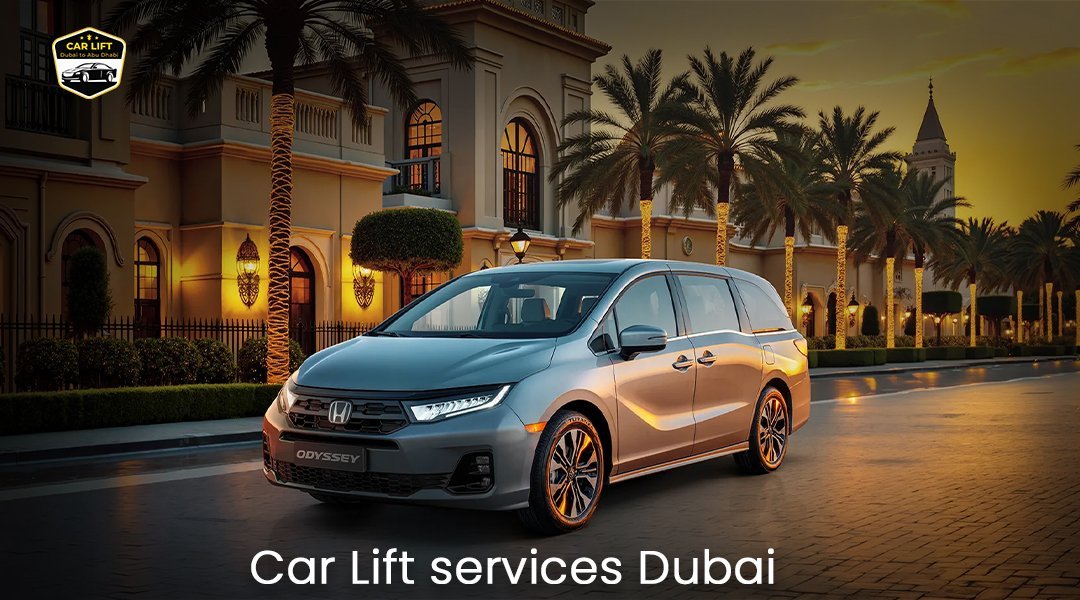
The physical dimensions of the transit vehicle dictate your quality of life. The absolute cheapest car lift dubai to abu dhabi monthly option usually involves a tightly packed 14-seater Nissan Urvan or Toyota Hiace. While economically unbeatable, the shoulder-to-shoulder proximity and rigid bench seating can exacerbate spinal fatigue over a 90-minute transit. Moving one tier up the pricing matrix introduces the 7-seater minivans, such as the Honda Odyssey or Kia Carnival. These represent the gold standard for commuter comfort-to-cost ratios, offering captain’s chairs, localized climate control, and adequate acoustic dampening to drown out road noise. Sedan sharing (typically a Toyota Camry or Nissan Altima with three passengers) offers excellent speed and route agility but forces a lottery regarding who secures the coveted front passenger seat. When negotiating your contract, explicitly verify the exact make, model, and passenger cap of the assigned vehicle.
The Impact of Remote Work on Transit Schedules
The normalization of hybrid work environments has drastically altered the intercity transport landscape. Prior to 2020, contracts were rigidly built around a five-day commute. Today, the asynchronous workforce demands elasticity. Many operators have adapted by offering ‘punch-card’ systems or prorated three-day-a-week packages. This evolution forces us to redefine what constitutes the cheapest monthly car lift from Dubai to Abu Dhabi. A flat rate of 1,500 AED might seem like a bargain, but if you only travel 12 days a month, your per-trip cost is artificially inflated. Finding a provider with the logistical sophistication to match your specific hybrid attendance calendar is the true metric of cost efficiency.
Future-Proofing: How Etihad Rail Shifts the Cheapest Car Lift Dubai to Abu Dhabi Monthly Dynamic
No discussion of UAE intercity mobility is complete without addressing the looming shadow of the Etihad Rail passenger network. Once fully operational, this massive infrastructure project promises to transport individuals between the emirates at speeds exceeding 200 km/h. Does this render the private car lift obsolete? My analysis suggests otherwise. While the rail network will efficiently move vast volumes of people between major terminal hubs, it lacks the hyper-local ‘last mile’ connectivity that a private driver provides. A train will drop you at a central station, leaving you reliant on local taxis or buses to reach a specific office park in Mussafah or Khalifa City. The door-to-door convenience offered by specialized operators ensures their survival, though we will likely see an aggressive downward pressure on pricing, benefiting the consumer searching for the cheapest car lift dubai to abu dhabi monthly.
Frequently Asked Intercity Commuter Questions
What happens if the driver is sick or the vehicle breaks down? Professional outfits maintain a redundancy protocol. They possess a floating fleet or partner drivers on standby to absorb the route. Independent drivers often lack this safety net, leaving you stranded and forced to pay exorbitant immediate taxi fares. Always establish the backup protocol before handing over a monthly advance.
Are female-only car lifts available and do they cost more? Yes, specialized female-only transit options are highly prevalent, catering to cultural preferences and personal comfort. Due to the slightly smaller pool of female drivers and specific demand curves, these services occasionally carry a marginal premium, typically 5% to 10% higher than mixed-gender vehicles, though aggressive negotiation can often eliminate this disparity.
How is payment typically structured? Industry standard dictates payment at the beginning of the month. However, to mitigate risk during the first month of a new arrangement, I advise negotiating a split payment: 50% on day one, and 50% on day fifteen. This ensures the operator remains motivated and protects your capital if the service level drops dramatically in the first week.
Can I bring luggage or specialized equipment? Standard rates assume you are carrying nothing larger than a laptop bag or a moderately sized gym duffel. If your profession requires transporting heavy sample cases, surveying equipment, or large architectural blueprints, you must declare this immediately. Taking up potential passenger seating with cargo will absolutely require a custom tariff adjustment.
Final Analytical Thoughts on the Commuter Matrix
Mastering the daily migration between these two economic powerhouses requires abandoning the romanticized vision of the open road and adopting the cold, calculating mindset of a logistics director. Every kilometer driven, every toll crossed, and every minute spent navigating traffic represents a tangible depletion of your personal resources. By systematically analyzing route topographies, understanding vehicle depreciation formulas, and ruthlessly vetting providers, you transform a daily burden into a streamlined, passive experience. Securing the optimal transit arrangement is not merely about finding a seat in a moving vehicle; it is an active defense of your time, your capital, and your physiological well-being against the friction of modern urban geography.