
Ultimate Insider Guide: Car Pool Dubai to Abu Dhabi Costs & Tips

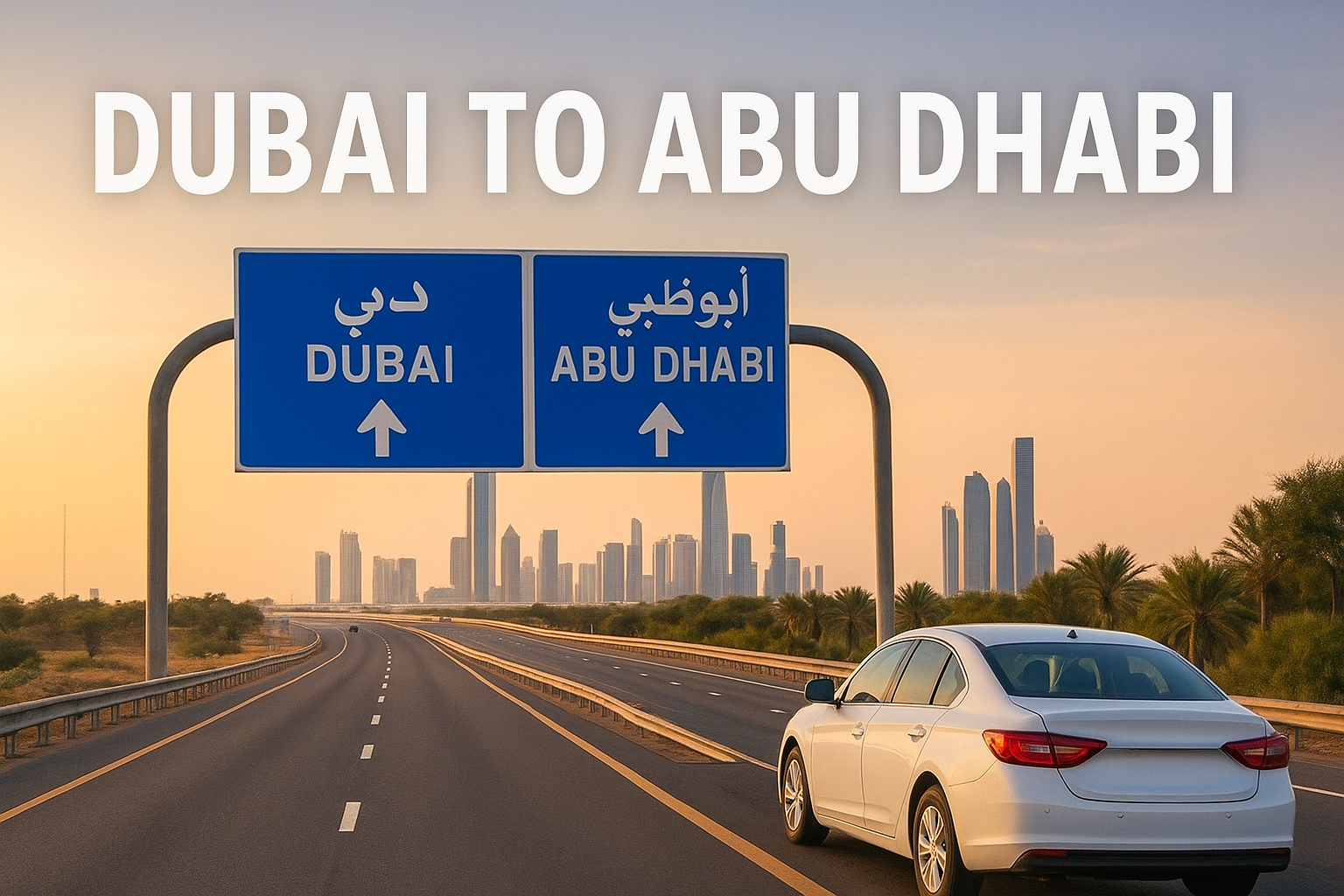
I woke up at 5:00 AM every Sunday through Thursday for exactly three years. My morning ritual was identical: down a scorching cup of instant coffee, stumble into my sedan, and merge onto Sheikh Zayed Road. The goal was always the same. Beat the Ghantoot traffic before the sun came up. Driving 140 kilometers each way from my apartment in Jumeirah Village Circle to a corporate office on Al Maryah Island destroyed my energy, my free time, and my bank account. Eventually, I realized the absolute absurdity of thousands of us doing this exact same commute, sitting in single-occupancy vehicles, staring blankly at the brake lights ahead for car pool dubai to abu dhabi.
Sharing the journey wasn’t just a financial decision; it became a survival tactic. Transitioning away from driving solo transformed my chaotic mornings into productive, stress-free reading sessions. But navigating the shared transport network in the UAE requires inside knowledge. The market is flooded with unregulated WhatsApp groups, sketchy promises, and complex legalities. I spent months testing every conceivable method of getting down the E11 highway. This analysis breaks down exactly what I learned, the hard numbers behind the commute, and how you can optimize your daily transit without getting burned.
Executive Summary: The True Cost of the Commute
Before diving into the intricate details, we need to look at the raw data. People wildly underestimate how much they spend on their vehicles. They look at the petrol gauge and ignore the hidden taxation of depreciation and maintenance. Here is a realistic breakdown of solo driving versus shared commuting based on 22 working days a month.
| Commute Method | Monthly Petrol (AED) | Tolls & Parking (AED) | Wear & Tear (AED) | Total Estimated Cost (AED) | Stress Level |
|---|---|---|---|---|---|
| Solo Driving (Sedan) | 1,400 – 1,800 | 400 – 600 | 800 – 1,200 | 2,600 – 3,600 | Extreme |
| Solo Driving (SUV) | 2,200 – 2,800 | 400 – 600 | 1,000 – 1,500 | 3,600 – 4,900 | High |
| Regulated Carpool | 0 | 0 | 0 | 1,200 – 1,800 | Low |
The Financial Reality of the Daily Grind
Let us dismantle the actual cost of driving from Dubai to the capital. Most commuters only track their fuel expenses. If you drive a standard four-cylinder sedan, you are burning roughly 10 to 12 liters of Special 95 fuel each way. At current market prices, that is roughly 60 Dirhams a day just to keep the engine turning. Multiply that by 22 working days, and you are instantly out 1,320 Dirhams. But fuel is merely the entry fee.
You have to pass through Salik gates. Depending on where you start in Dubai—say, Al Nahda or Deira—you might hit three gates before you even clear Jebel Ali. That is another 12 to 24 Dirhams daily. Then there is the silent wealth killer: rapid vehicle depreciation. Putting 6,000 kilometers on your odometer every single month aggressively tanks your car’s resale value. You will find yourself replacing tires every six months and doing oil changes almost every four weeks. When I did the math on my own Nissan Altima, factoring in the accelerated service intervals, I was spending close to 3,500 Dirhams monthly just to get to my desk. Switching to a shared model instantly injected nearly 2,000 Dirhams back into my pocket every month. You cannot argue with that kind of arithmetic.
The Evolution of the Car Pool Dubai to Abu Dhabi
A few years ago, trying to find a ride was like the Wild West. You had to scroll through chaotic Facebook groups filled with anonymous profiles. You would agree to meet a guy named “Captain Commute” at the Ibn Battuta Eppco station at 6:00 AM, only to stand there sweating in the humidity when he stopped replying to your messages. It was entirely unreliable. If you had a strict 8:30 AM morning meeting, trusting a random internet stranger was career suicide.
The ecosystem has matured significantly since then. The shift moved from unvetted social media pages to structured, professional networks. People realized that consistency and safety were worth paying for. Today, finding a reliable car pool Dubai to Abu Dhabi means tapping into dedicated services where drivers are actually held accountable, routes are optimized using real-time traffic data, and backup vehicles are available if a primary car breaks down. This professionalization completely eliminated the anxiety of wondering if I was going to be left stranded on the side of the road near Shahama.
Navigating the Legalities of Sharing a Ride in the UAE
This is where most expats get incredibly confused. Can you just charge your neighbors for a ride? The short answer is absolutely not. The UAE Road and Transport Authority (RTA) in Dubai and the Integrated Transport Centre (ITC) in Abu Dhabi maintain incredibly strict regulations regarding unlicensed passenger transport. Operating a personal vehicle as an illegal taxi carries devastating fines—sometimes reaching up to 20,000 Dirhams—and can even result in deportation for the driver.
The authorities enforce this to ensure passenger safety, mandate proper commercial insurance, and maintain transit standards. You cannot simply start a side hustle ferrying people down the highway. However, licensed carlift companies operate entirely within the bounds of the law. They possess the correct commercial registrations, their drivers carry the proper permits, and the vehicles are insured for passenger transport. When you are evaluating your commuting options, you must verify that the service you are using operates legally. I once met a commuter who was riding in an unlicensed van that was pulled over at a checkpoint near the border during the pandemic. The driver was fined, and the passengers were forced to stand on the highway shoulder for two hours waiting for alternative transport. Do not take the risk.
Route Strategies: Conquering the E11, E311, and E611
Not all highways are created equal, and a smart commuting service knows exactly which artery to take on any given morning. The route your driver selects drastically impacts your arrival time and your stress levels.
The E11 (Sheikh Zayed Road) is the most direct path if you live in Dubai Marina, JLT, or Discovery Gardens. It is a straight shot down the coast. However, the E11 is notorious for sudden bottlenecks, particularly around the Ghantoot border and the approach into Al Raha Beach. One fender bender near Deerfields Mall can instantly add 45 minutes to your journey.
Alternatively, the E311 (Sheikh Mohammed Bin Zayed Road) sits further inland. It is the preferred route if you are starting from JVC, Motor City, or Arabian Ranches. It avoids the Dubai Salik tolls entirely and usually offers a smoother, faster flow of traffic until you hit the Sweihan interchange in Abu Dhabi. Then there is the E611 (Emirates Road), the deep inland route. It is fantastic for commuters coming from Dubai Silicon Oasis or even Sharjah, completely bypassing the intense central Dubai gridlock. When I vetted different services, I specifically asked drivers about their routing logic. The best operators monitor Google Maps and Waze religiously before leaving the pickup zone, dynamically altering their path to avoid the dreaded dark-red traffic lines.
How to Find a Reliable Car Pool Dubai to Abu Dhabi
Vetting your daily transit requires the same diligence you would use to hire an employee. You are literally trusting this person with your life and your livelihood at 140 kilometers per hour. Here is my personal blueprint for locking in the perfect commute.
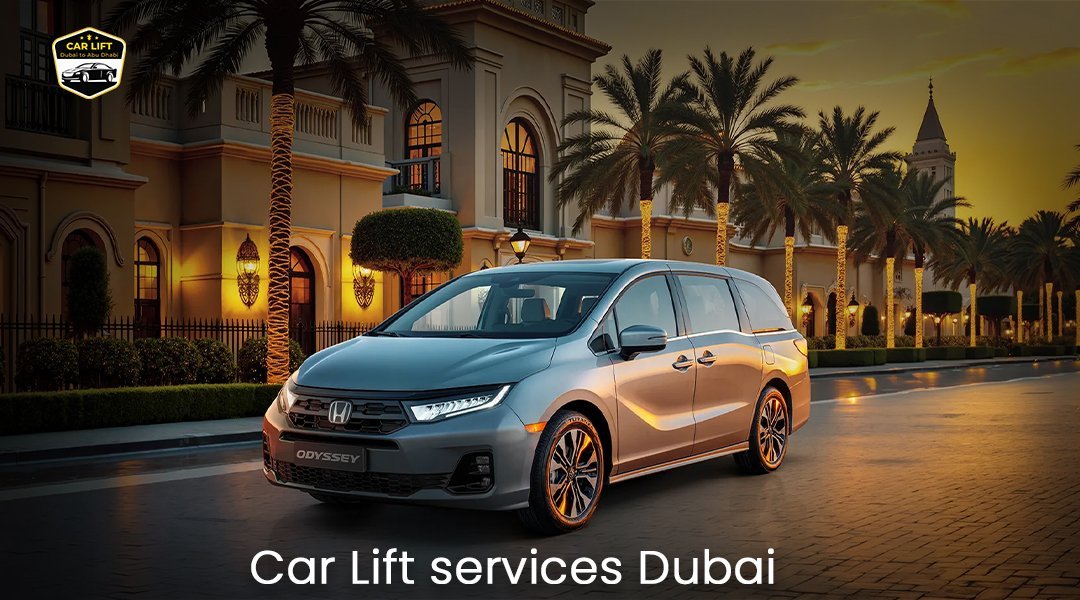
First, demand transparency regarding the vehicle type. Sitting in the middle seat of a cramped compact car for three hours a day will destroy your spine. You want operators who use modern, spacious sedans, minivans, or SUVs. Second, negotiate the pickup logistics meticulously. Door-to-door service is the ultimate luxury, but it can extend the commute time if the driver has to navigate the twisting residential streets of five different neighborhoods. I always preferred designated cluster pickups. Walking five minutes to a central spinneys parking lot saves everyone thirty minutes of transit time.
Third, establish clear communication protocols. What happens if the driver is sick? A professional operation will immediately dispatch a replacement vehicle. A guy you met on a forum will just send a “sorry bro” text at 5:45 AM. Finally, run a trial period. Never commit to a three-month upfront payment. Pay for one week. Assess the driver’s habits. Does he tailgate? Does he text while driving? Does the air conditioning actually work? If the trial week goes smoothly, then you can negotiate a bulk monthly rate.
The Environmental Reality of Commuting Down the E11
While the immediate financial benefits are obvious, the macro impact of our daily travel choices is staggering. The E11 is a massive corridor of carbon emissions. Every morning, tens of thousands of vehicles pour out of Dubai, the vast majority carrying exactly one human being. It is an incredibly inefficient use of resources.
When you transition four single-occupancy vehicles into one shared van, you are actively participating in a massive reduction of urban congestion and greenhouse gases. The UAE government has set aggressive sustainability goals, and individual choices play a massive role in hitting those targets. Choosing to share your commute is a direct, measurable way to reduce carbon emissions from passenger vehicles. Beyond saving the planet, reducing the number of cars on the road directly translates to less traffic for everyone. It is a compounding positive effect. During my time sharing a ride, our vehicle of six people effectively removed five cars from the daily traffic jam at the Al Mafraq junction.
The Unwritten Etiquette of the Commute
Being trapped in a metal box with the same strangers for three hours a day creates a highly specific social dynamic. There are unwritten rules that dictate whether the car is a sanctuary or a mobile prison. I learned these the hard way.
Rule number one: The morning drive is a sacred, silent space. People are exhausted. Do not attempt to force lively conversation at 6:15 AM. A polite “good morning” is mandatory; anything beyond that is a violation. Rule number two pertains to acoustics. If you want to listen to a podcast, wear headphones. I once shared a ride with a guy who insisted on taking loud, aggressive sales calls on speakerphone the entire way from Jebel Ali to Yas Island. We collectively asked the driver to drop him from the roster the following week.
Rule number three is climate control. The UAE sun is brutal, even in the morning. The AC needs to be set to a universally acceptable temperature—usually around 22 degrees Celsius. If you are prone to feeling cold, bring a jacket. Do not ask the driver to turn off the air conditioning for the rest of the passengers. Finally, olfactory etiquette is critical. Heavy perfumes, strong ouds, or eating pungent foods (like a garlic-heavy shawarma) inside an enclosed, air-conditioned vehicle is incredibly inconsiderate. Keep it neutral.
Securing a Part-Time Car Pool Dubai to Abu Dhabi for Hybrid Workers
The corporate landscape shifted dramatically over the past few years. The rigid five-day-a-week office mandate is dying. Many professionals now operate on hybrid schedules, traveling to the capital only two or three days a week. This created a new challenge: how do you secure reliable transport when you do not need a full monthly package?
The informal market struggles with this. Independent drivers want guaranteed daily income. However, established transport networks adapted quickly. They now offer flexible packages based on a “punch card” system or specific day-of-the-week commitments. When negotiating this, clarity is your best tool. I found success by locking in exactly Tuesday and Thursday every week. Because I was consistent with those specific days, the dispatcher could easily fill my seat on Monday, Wednesday, and Friday with someone else on an alternating schedule. Expect to pay a slightly higher premium per trip for a part-time arrangement compared to a daily commuter, but the overall monthly outlay will still be drastically lower than driving yourself or taking a daily taxi.
Will Etihad Rail Erase the Need for Commuting by Car?
There is massive anticipation surrounding the upcoming UAE passenger rail network. The promise of high-speed trains linking the emirates feels like the ultimate solution to the E11 gridlock. Many people ask if the traditional shared vehicle network will survive once the trains start running.
My assessment, based on years of observing UAE infrastructure, is that road-based transport will remain highly relevant. The train will undoubtedly move massive volumes of people between central hubs. However, the UAE is not built like a dense European city with intricate subway networks connecting every neighborhood. We face the “last-mile” problem. Getting from your villa in Arabian Ranches to the Dubai train station, and then getting from the Abu Dhabi train station to your office deep in the Corniche or on Saadiyat Island, will still require secondary transport. A door-to-door shared vehicle eliminates those friction points. You get in outside your house, and you get out exactly at your office lobby. While the rail will be a phenomenal addition to our infrastructure, the tailored convenience of a direct car route ensures it will not disappear anytime soon.
Frequently Asked Questions
Is it safe to use a car pool Dubai to Abu Dhabi?
Safety completely depends on the avenue you use to secure the ride. Jumping into an unregulated, unlicensed personal vehicle found through a random social media post carries significant risks, both legally and personally. However, utilizing a licensed, professionally managed commercial service is extremely safe. These operators mandate defensive driving training, enforce strict vehicle maintenance schedules, and monitor their fleets via GPS. Always verify the commercial credentials of the provider before getting in.
How much should I expect to pay monthly?
Pricing fluctuates based on the level of luxury, the exact pickup and drop-off locations, and the frequency of travel. A standard shared minivan picking up from a central hub typically costs between 1,000 and 1,500 AED per month for a five-day-a-week schedule. Upgrading to a luxury SUV or requesting specialized door-to-door service from a deep residential area can push that figure toward 2,000 AED. Even at the highest premium, it remains less than half the true cost of driving your own vehicle.
Are there female-only options available?
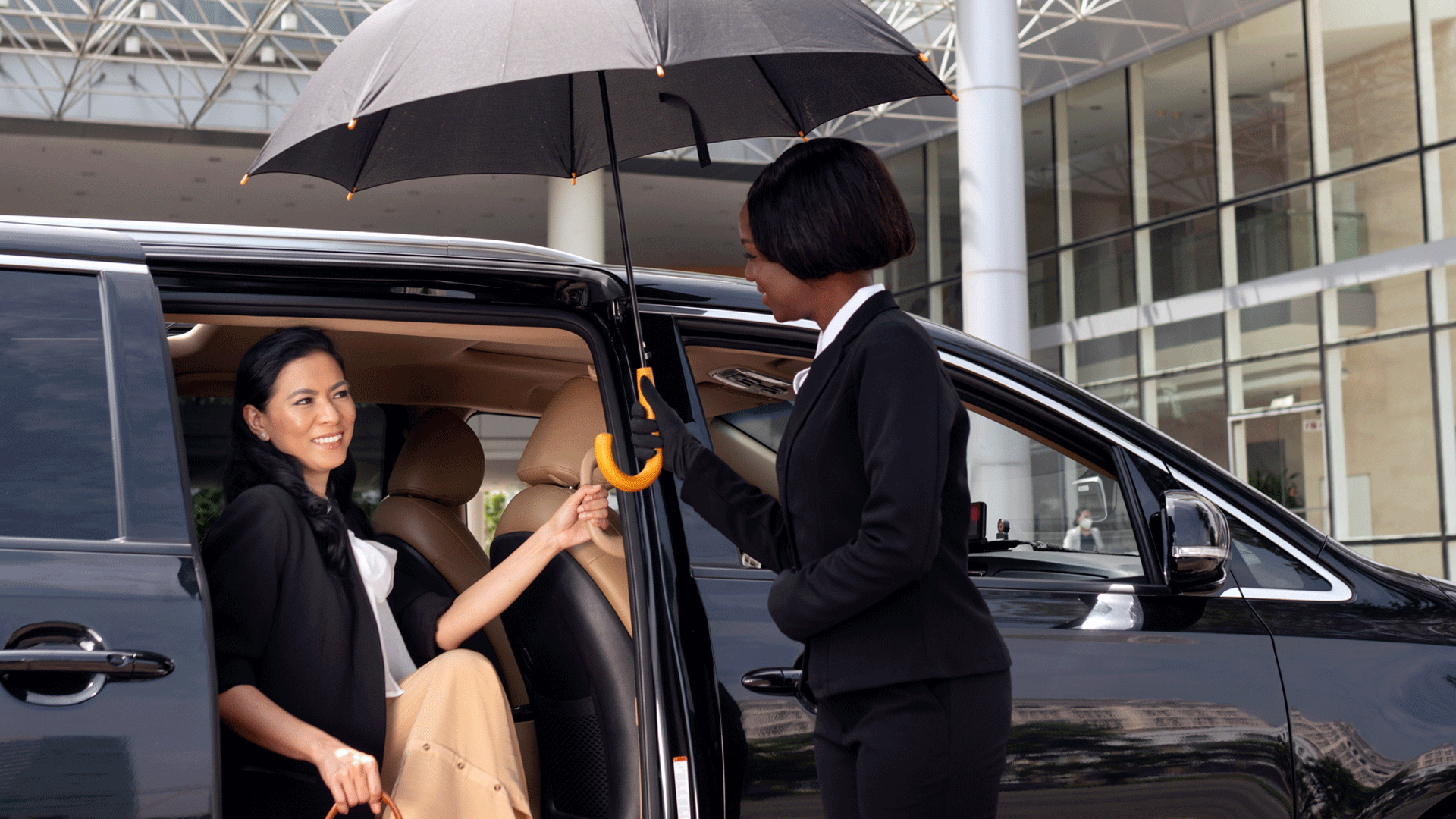
Yes, absolutely. The professional transit market in the UAE is highly attuned to cultural preferences and personal comfort. Many of the top-tier operators provide dedicated female-only vehicles, often driven by female chauffeurs. These routes are incredibly popular and tend to fill up fast, so if this is a requirement for you, I recommend booking your seat well in advance of your starting date.
What happens if the driver is sick or the vehicle breaks down?
This is the exact reason you pay for a professional service rather than a casual arrangement. Reputable transport networks maintain contingency plans. If a driver calls in sick, a standby driver is dispatched. If a vehicle suffers a mechanical failure, the company sends a replacement unit immediately. When I interviewed different providers, their backup protocol was my primary concern. I specifically chose companies that had a minimum of three spare vehicles in their fleet precisely for these emergencies.
Can I arrange a car pool Dubai to Abu Dhabi for just three days a week?
Yes, the shift to hybrid work forced operators to adapt. Most legitimate providers now offer prorated packages for commuters who only need to travel two or three days a week. You will need to specify your exact days (e.g., Monday, Tuesday, Wednesday) so the company can match you with another passenger who needs the alternating days. While the per-trip cost might be marginally higher than the full-time monthly rate, it is still the most economical way to handle a hybrid schedule.